Why Now Is the Best Time for Nonprofits to Go Solar

Nonprofits Are Saving Big With Solar Power. But Key Federal Incentives Are Going Away.
Nonprofits are a fantastic fit for solar power. That’s because churches, charities, and other 501(c)3s are community leaders who are also well-acquainted with navigating tight budgets.
Solar energy helps nonprofits fulfill both of these missions: It promotes sustainability while also cutting — or fully eliminating — their electric bills.
However, the clock is ticking on a historic opportunity to save thousands of dollars on solar panels. Over the next three years, major federal tax changes will make it harder for nonprofits to afford the cost of installation.
That’s why the time has never been better for nonprofits to invest in solar energy. Here’s a closer look at how your 501(c)3 can capitalize before benefits expire.
The Solar Investment Tax Credit Is Going Away. Here’s How It Affects Nonprofits.
The enactment of the “One Big Beautiful Bill” over the summer of 2025 made installing solar panels more urgent for everyone. The main change for all industries is that new law is moving up the expiration date for the Solar Investment Tax Credit. This tax credit provides a 30% dollar-for-dollar tax credit on new solar panel systems and energy storage devices (like batteries).
Nonprofits are tax exempt and cannot receive the tax credit. However, the federal government allows them to receive the same benefit in the form of a 30% direct payment. For example, a church or charity that purchases a $30,000 solar panel system would be eligible for a $9,000 direct pay credit.
Unfortunately, this direct payment will also go away once the Solar Investment Tax Credit expires. That means nonprofits are facing the same deadlines as the businesses and farmers who are rushing to get their solar systems “placed in service” over the next two to four years.
What Are the Solar Tax Credit Deadlines for Nonprofits?
The deadline for the direct payment will depend on when construction starts on the solar system.
- For projects that began BEFORE July 4, 2026: Solar panels must be “placed in service” by Dec. 31, 2030. “Placed in service” refers to a system that’s fully built and actively generating electricity.
- For projects that begin AFTER July 4, 2026: Solar panels must be “placed in service” by Dec. 31, 2027 — a very tight window.
Starting this year, projects also now face new Foreign Entity of Concern (FEOC) rules that could further complicate the process. These rules place tighter restrictions on materials sourced from countries like China, Russia, Iran, or North Korea.
The deadlines apply to nonprofits along with many other types of solar customers. However, the deadline has already passed for residential homeowners. Here’s our updated guide to the most important federal solar tax credit deadlines everyone should know.
These changes are why the time has NEVER been better to go solar. These tax credits may never return, so the time to act is now.
How 1 Source Solar Is Helping Nonprofits Save Now
The experts at 1 Source Solar have been helping nonprofit organizations design and install solar panel systems for years. Here are some examples of how much those groups have saved:
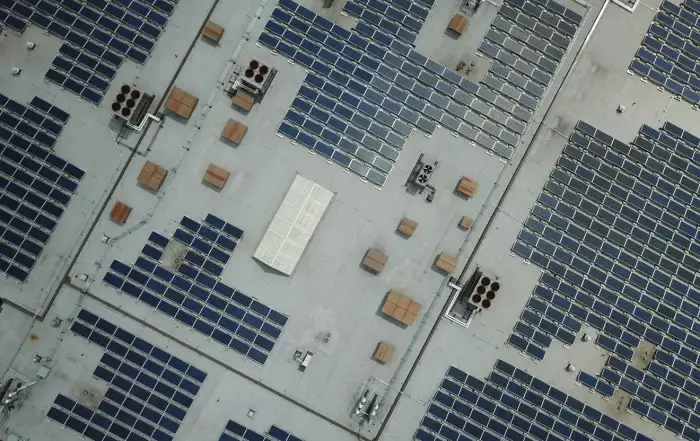
- Urban Dreams in Des Moines, Iowa. Installed solar panels on the roof of their building that will give them a 7% return on investment with a payback period of about 14 years.
- United Church of Christ in Urbandale, Iowa. Added 58 rooftop solar modules, giving them the capacity to generate 23.3 kW of energy and help offset energy costs.
- Faith Assembly of God in Elk Run Heights, Iowa. Placed 70 rooftop solar modules in service, which generate 28.7 kW of energy.

Urban Dreams

United Church of Christ

Faith Assembly of God
How 1 Source Solar Is Helping Nonprofits Save Now
With a huge opportunity for savings going away, what does the future of solar power hold for nonprofits?
The bottom line is that even without tax credits, solar power still brings huge benefits to nonprofits.
Nonprofits are eligible for many grant programs that can help cover the cost of adding solar panels. Power purchase agreements (PPAs) are another option. PPAs allow nonprofits to partner with a developer to avoid the up-front cost of installation and purchase it at a lower cost.
And some states have additional programs that help cover part of the cost. Here is a list of incentives available in several Midwest states.
Interested in Going Solar? Let Our Team of Experts Help
If your nonprofit is looking to add solar panels, the team of experts at 1 Source Solar is here for you. We will help you understand whether your project would still be eligible for the expiring direct payments. We will also help identify any other incentive programs that can help you cover the costs.
Our installers will design the optimal system for your goals and install it quickly and efficiently. Ready to get started? Contact us today for a free consultation.